The New Luxury Is Calm
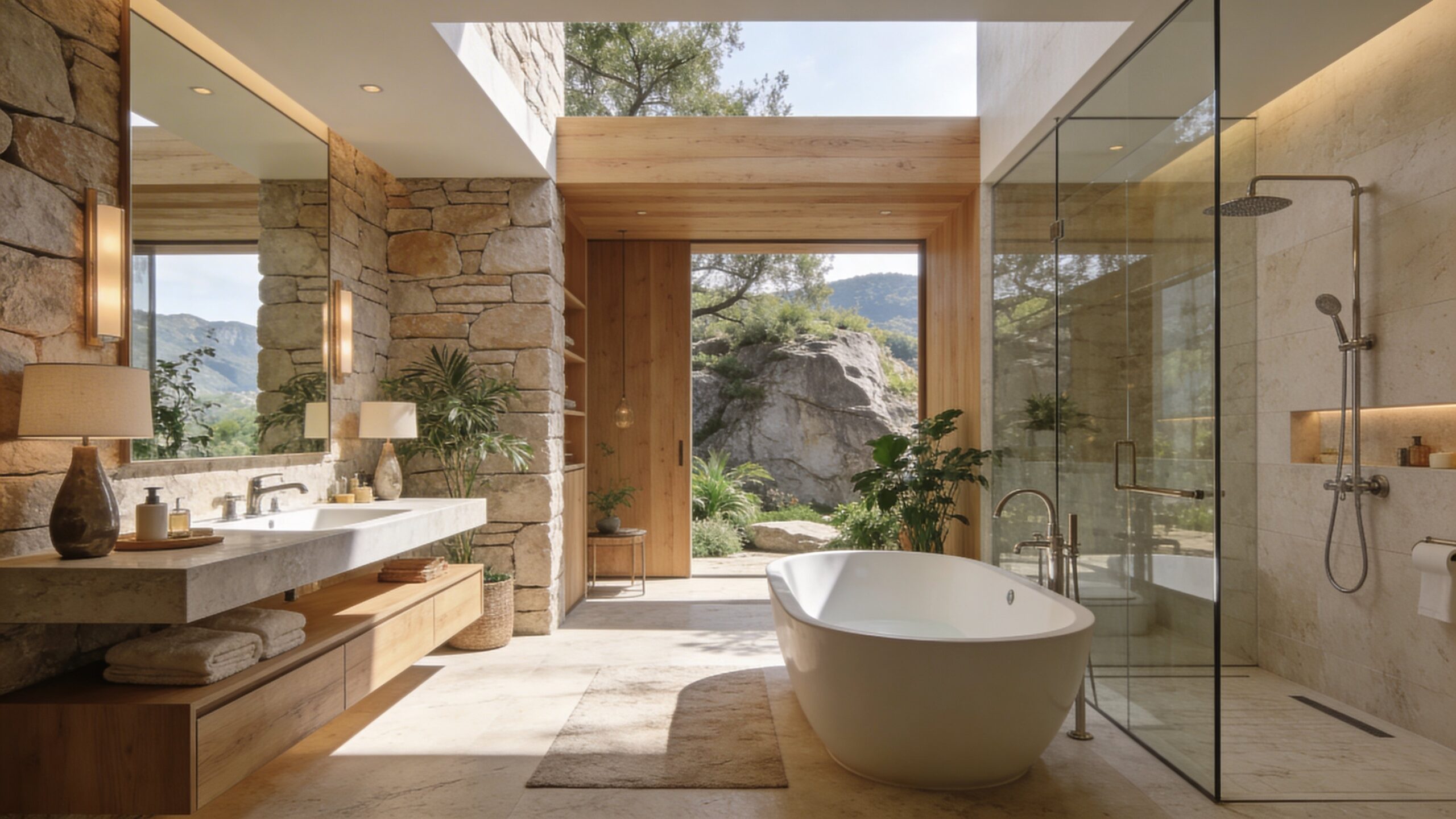
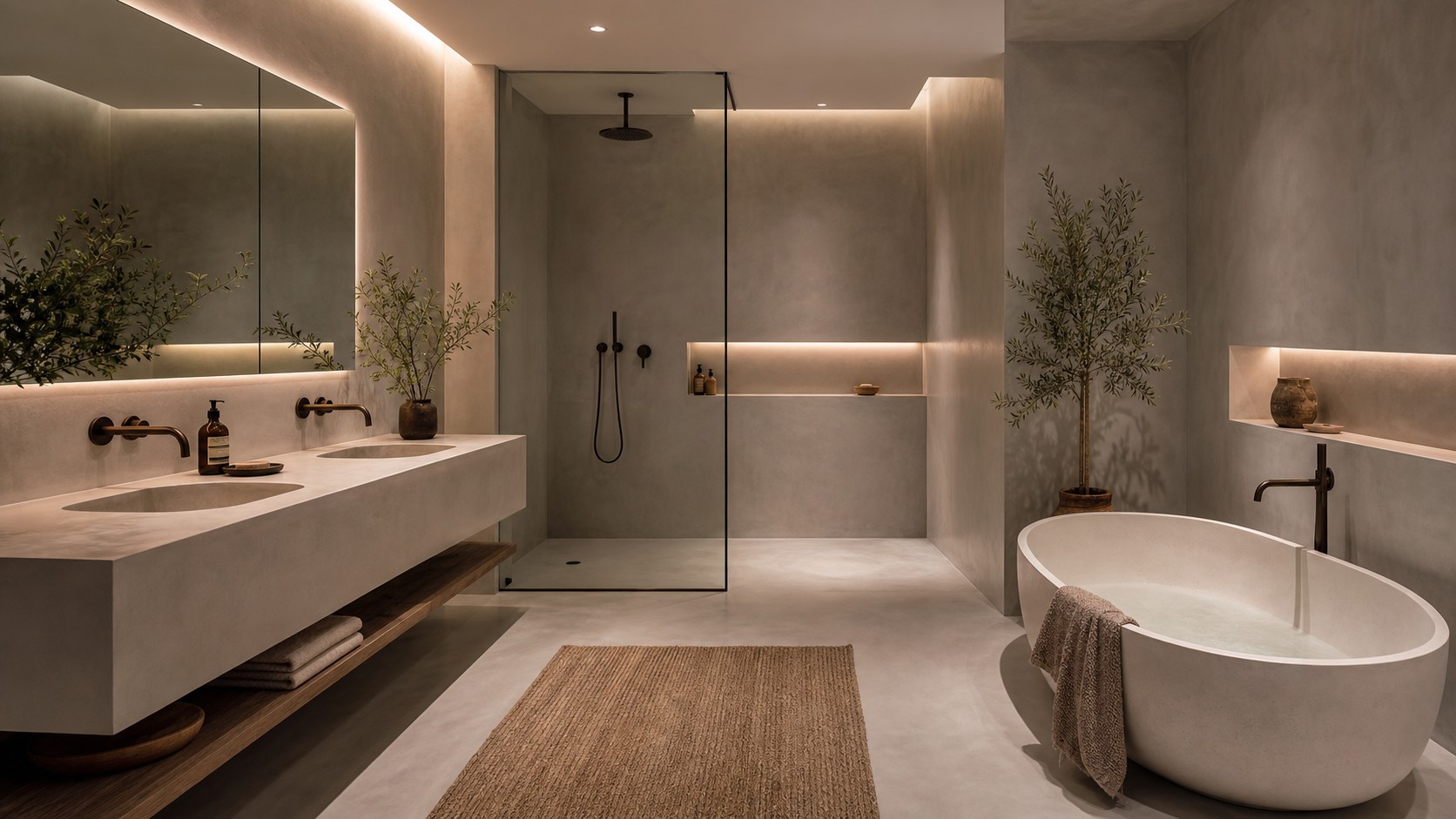
A Zen-style modern oasis bathroom isn’t about showing off. It’s about letting your shoulders drop the moment you step inside. In a world that moves too fast, the bathroom can become a quiet daily ritual space—part spa, part sanctuary, part reset button. Zen design brings the “less but better” mindset, while modern styling keeps the look crisp, intentional, and easy to maintain. When the two combine, you get a room that feels open, soft, and restorative—without needing a full renovation budget or a hotel-suite footprint. The magic is in the details: a warm neutral palette that doesn’t shout, surfaces that feel good under your hands, lighting that flatters instead of glares, and storage that hides the chaos. A modern oasis is built for real life—morning rushes, quick rinses, late-night wind-downs—yet it always feels like you’re stepping into a gentler pace. Think of it as designing for your nervous system as much as your eyes.
A: Use warm neutrals, match grout to tile, add hidden storage, and keep surfaces clear.
A: Layered, dimmable warm lighting plus soft mirror lighting—avoid harsh overhead glare at night.
A: Matte porcelain stone-look tile, quartz/solid-surface counters, and brushed hardware finishes.
A: Add a niche, use matching refillable bottles, and store backups out of sight.
A: Warm lighting, wood tones (or wood-look), plush neutral textiles, and fewer shiny finishes.
A: It can work if used sparingly and balanced with warm woods and soft neutrals.
A: Squeegee after showers, use a gentle daily spray, and keep ventilation running on a timer.
A: Dimmable lighting + luxury towels + a tidy tray system + a calmer color palette.
A: Use drawer organizers, store extras elsewhere, and keep only a small curated tray on top.
A: Choose tone-on-tone texture (subtle movement) and keep other surfaces simple and repeat finishes.
Zen Meets Modern: What Defines the Look
Zen style is rooted in simplicity, natural materials, and visual quiet. Modern design adds clean lines, refined finishes, and a sense of order. Together, they create a bathroom that feels airy and grounded at the same time. Instead of a collage of trends, you’ll see a few strong choices repeated thoughtfully: the same wood tone echoed in a shelf and vanity, the same stone-like texture carried from the shower to the countertop, the same soft metal finish on the faucet and towel hook. This style doesn’t require a “theme.” It’s more like a mood—balanced, uncluttered, and intentional. A Zen-modern oasis avoids busy patterns and harsh contrast, but it isn’t boring. Texture becomes the star: fluted wood, honed stone, matte tile, brushed metal, linen-like towels. The space feels calm because your eyes aren’t constantly stopping on visual noise.
Start With the Feeling: Designing a Daily Ritual
Before you choose tile or fixtures, decide what the room is for emotionally. Do you want it to feel like sunrise—bright, clean, energizing? Or dusk—warm, quiet, cocoon-like? Zen design works because it supports rituals: washing your face slowly, taking a breath while the shower warms, placing your phone out of reach, ending the day with a rinse that feels like a reset.
A modern oasis bathroom is also about reducing friction. If the lighting is harsh, you won’t want to linger. If the counter is cluttered, your brain stays “on.” If towels don’t have a home, the room never feels finished. Calm is created through flow—where items live, how the room is lit at different times, and how easily the space returns to “tidy” after a normal day.
The Zen Color Palette: Soft Neutrals With Purpose
Zen-modern bathrooms usually live in a family of quiet hues: warm whites, bone, sand, oat, pale gray, and muted clay. These shades bounce light gently and make the room feel larger. The key is choosing undertones intentionally. A bright blue-white can feel clinical; a creamy white can feel serene. A gray with green undertones can read spa-like; a gray with purple undertones can feel chilly.
To keep the palette from feeling flat, layer tones within the same temperature. Pair a soft warm white wall with a slightly deeper beige tile and a light oak vanity. Add a calm accent that still feels natural—sage, misty blue, charcoal, or terracotta—used sparingly in textiles or one feature surface. Zen is not about zero contrast; it’s about controlled contrast.
Materials That Make You Exhale
If Zen had a love language, it would be texture. Natural and nature-inspired materials create that grounded, quiet luxury feeling. Wood (or wood-look finishes) adds warmth immediately. Stone, travertine, and concrete-like surfaces add stability. Matte ceramics calm the shine down. Even if you’re working with budget-friendly options, you can still choose finishes that feel tactile and soft to the eye.
Honed or matte stone finishes often read more Zen than high-gloss polished slabs. Microcement and plaster-like walls can look seamless and soothing. If you love tile, consider larger formats with fewer grout lines for a calmer visual field. And when grout is visible, choose a tone that blends rather than contrasts—this one decision can make the entire room feel quieter.
The Power of Negative Space
Zen style isn’t just “minimal.” It’s purposeful. Negative space—areas with nothing happening—gives your mind room to breathe. In a bathroom, that might mean keeping the vanity top mostly clear, limiting decor to one intentional object, and using storage to hide everything else. A room can still be warm and welcoming while being visually simple.
Modern bathrooms can sometimes lean sterile if everything is too stark. Zen prevents that by prioritizing softness: rounded edges, warm materials, gentle lighting, and a few organic shapes. Think one sculptural vase rather than five small jars, one high-quality tray rather than scattered bottles, one piece of art rather than a gallery wall. The room becomes a calm frame for your daily life.
Lighting Like a Spa: Layers, Warmth, and Control
Lighting is where most bathrooms fail the relaxation test. The fix is layering. You want at least three moods: bright and clear for grooming, soft and indirect for winding down, and night-friendly for late hours. Modern Zen lighting often includes a clean, diffused overhead light paired with flattering vertical lighting near the mirror. Then you add ambiance: a dimmable sconce, an LED strip tucked under a floating vanity, or a gentle recessed light aimed at a wall rather than your face. Warm color temperature matters. A cooler light can feel sharp and energizing, which is great for task lighting—but not for relaxation. Use warm, dimmable lighting for your evening mode so the bathroom feels like a quiet spa, not a hospital corridor. If you want instant oasis energy, add a candle-like glow element (even if it’s LED) near the tub or vanity for a low, calming flicker.
The Shower as a Reset Zone
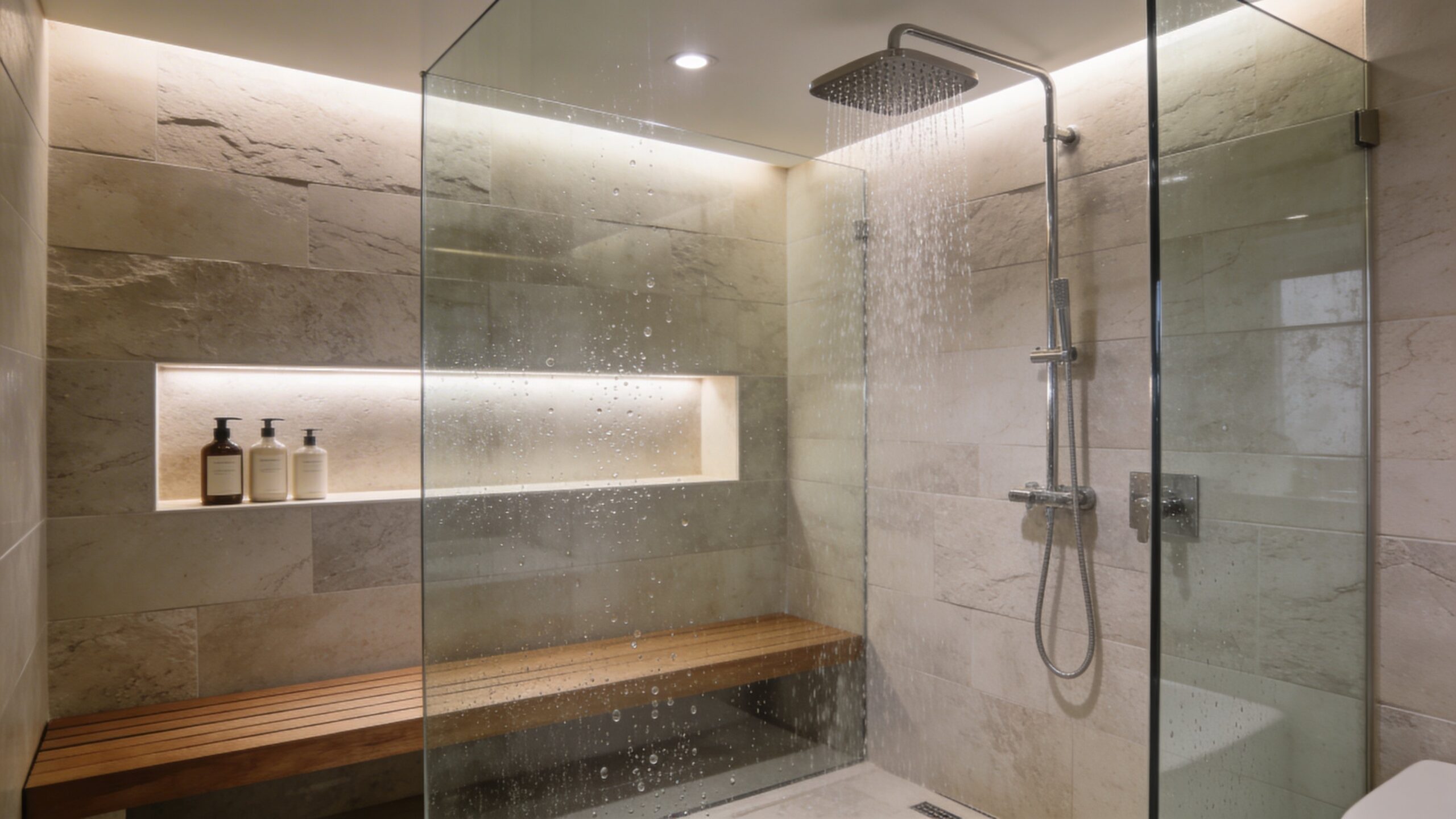
In a Zen-modern oasis, the shower isn’t just functional—it’s a daily ceremony. A frameless glass enclosure keeps the space open. A simple niche keeps products tidy. A rainfall head can feel luxurious, but pressure and placement matter more than the label. The “Zen” move is reducing clutter: fewer bottles, better storage, a bench or ledge for comfort, and a texture-forward tile choice that feels soothing.
If you want the shower to feel like a retreat, consider details that change the experience without changing the footprint. A handheld sprayer makes quick rinses easier and cleaning simpler. A thermostatic valve can keep temperature steady and reduce that constant fiddling. A stone-like floor or teak-style shower mat adds grounded comfort. The goal is for the shower to feel like a gentle transition—out of your day and into your body.
The Tub Moment: Deep Soak Energy Without Overdoing It
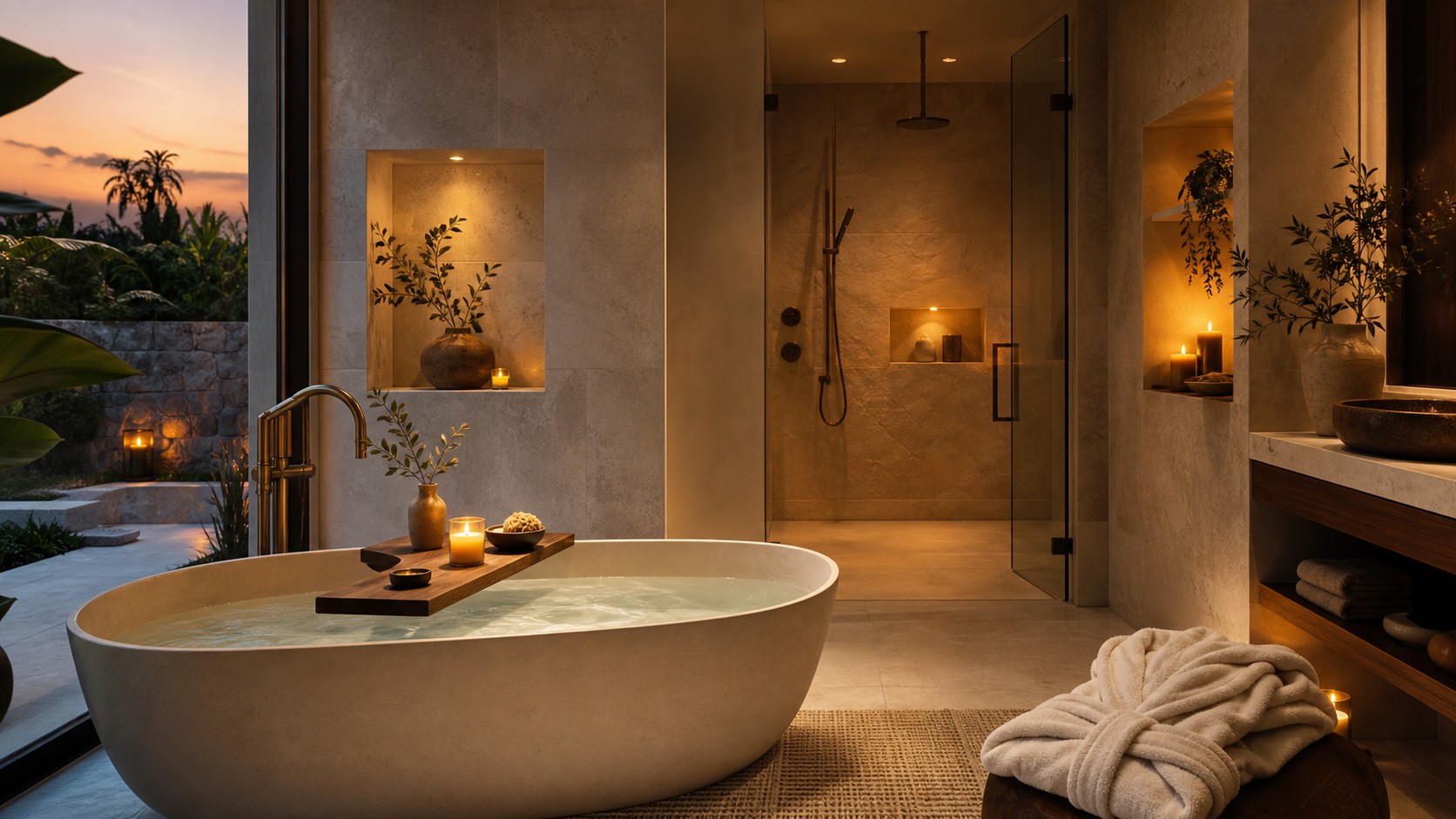
A soaking tub is the ultimate oasis symbol, but Zen design keeps it intentional. If you have room, a freestanding tub with a simple silhouette feels modern and serene. If space is tight, a well-designed alcove tub can still feel spa-like with the right surround materials, lighting, and accessories. What makes the tub feel Zen is the atmosphere around it: a calm wall surface, one elegant bath caddy, soft towels, and warm light.
To make tub time truly restorative, consider sound and scent as part of the design. A small speaker tucked out of sight, a diffuser with a subtle essential oil blend, or a quiet ventilation fan can change the whole mood. Zen isn’t about adding more stuff—it’s about choosing the few things that make the experience feel effortless.
Vanity Design: Clean Lines, Warmth, and Hidden Storage
The vanity is the command center, so it has to support calm. Floating vanities are popular because they create visual space and make the room feel lighter. Wood tones, slatted fronts, or soft matte finishes keep it warm. A Zen approach favors storage that hides everyday clutter: deep drawers, dividers, a tall linen cabinet, or mirrored storage that doesn’t scream “medicine cabinet.”
Countertops should feel calm and easy. A stone-look surface in a honed finish keeps glare down. Integrated sinks reduce visual breaks. Wall-mounted faucets can look sleek and modern while freeing counter space, but a simple deck-mounted faucet works beautifully too if everything else is quiet. The most Zen vanity is one that’s easy to keep clear.
Hardware and Finishes: Choose One Story
Mixing finishes can be gorgeous, but Zen style works best when the story is simple. Pick one primary metal finish and commit: brushed nickel, matte black, warm brass, or soft champagne tones. Then repeat it in the faucet, shower trim, towel hooks, and cabinet pulls. When everything coordinates, the room feels composed—even if the materials are budget-friendly. Modern Zen often leans toward matte or brushed finishes rather than glossy chrome. They feel softer and more tactile. Keep shapes simple: slim pulls, clean knobs, minimal hooks. When you want a standout moment, let it be one: a sculptural faucet, a statement sconce, or a beautiful mirror. Not everything needs to perform.
Tile Choices That Feel Quiet
Zen tile isn’t necessarily plain—it’s calm. Consider large-format tiles that minimize grout lines, soft stone-look porcelain, or subtle zellige-style tiles used sparingly for texture rather than pattern chaos. Vertical stacking can feel modern and soothing, while a simple grid can feel clean and timeless. If you love pattern, keep it quiet: tone-on-tone, gentle movement, organic variation.
Grout color is a secret weapon. Matching grout makes tile read as one continuous surface, which feels more Zen. High-contrast grout creates visual busyness, which can be fun but less relaxing. For floors, a textured or matte finish improves safety and keeps the look grounded. For walls, a satin or matte finish avoids glare.
Water, Sound, and Air: The Invisible Comfort Trio
A true oasis isn’t just what you see—it’s what you sense. Water sound can be soothing if it’s gentle, but loud plumbing can ruin the vibe. If possible, choose fixtures that feel smooth and controlled. Ventilation matters, too: a quiet fan keeps air fresh without sounding like an engine. And scent is powerful—clean, subtle, and consistent.
Think about touchpoints that affect comfort daily: soft-close drawers, a towel warmer, a heated floor mat, a robe hook placed where you actually reach for it. Zen design is deeply practical. The room should be easy to use half-awake, easy to clean, and easy to reset back to calm.
Styling the Oasis: Minimal Decor, Maximum Mood
Zen styling is about a few intentional moments. A small plant that thrives in humidity. A tray that corrals essentials. One piece of art that feels like a breath. Textiles do a lot of emotional work—choose towels that feel plush and neutral, a bath mat with a soft texture, a robe that looks good hanging on a hook.
Avoid cluttering every surface. Let the materials speak. If you want a spa feel, add one natural element: a smooth river stone, a piece of driftwood, a ceramic bowl. The room should feel like it has space to hold silence. When you walk in, your eye should glide—not bounce.
Everyday Habits That Keep It Zen
The best Zen bathroom isn’t one you photograph once; it’s one that stays calm with real life happening inside it. Build in systems: a lidded hamper, drawer dividers, refillable bottles, a hidden bin for backups. Keep cleaning simple by choosing finishes that don’t show every water spot and arranging storage so counters stay clear.
Even tiny habits help: squeegee the glass after showers, keep a small towel for quick wipe-downs, store only what you use daily at arm’s reach. Zen isn’t perfection—it’s ease. The bathroom should support the feeling of “I can breathe here,” even on a chaotic day.
The Takeaway: A Calm Room That Gives You Time Back
A Zen-style modern oasis bathroom is a daily gift you give yourself. It’s not about copying a spa; it’s about building a space that makes ordinary moments feel softer. When your bathroom is quiet, organized, and warm, you start and end your day with less friction. You don’t need a massive remodel to get there—just intentional choices in color, texture, lighting, and storage. When done right, the room becomes a ritual space: calm in the morning, comforting at night, and quietly restorative in between. That’s the real luxury—everyday relaxation that feels built into your home.