Designing a Bathroom That Feels Open to Nature
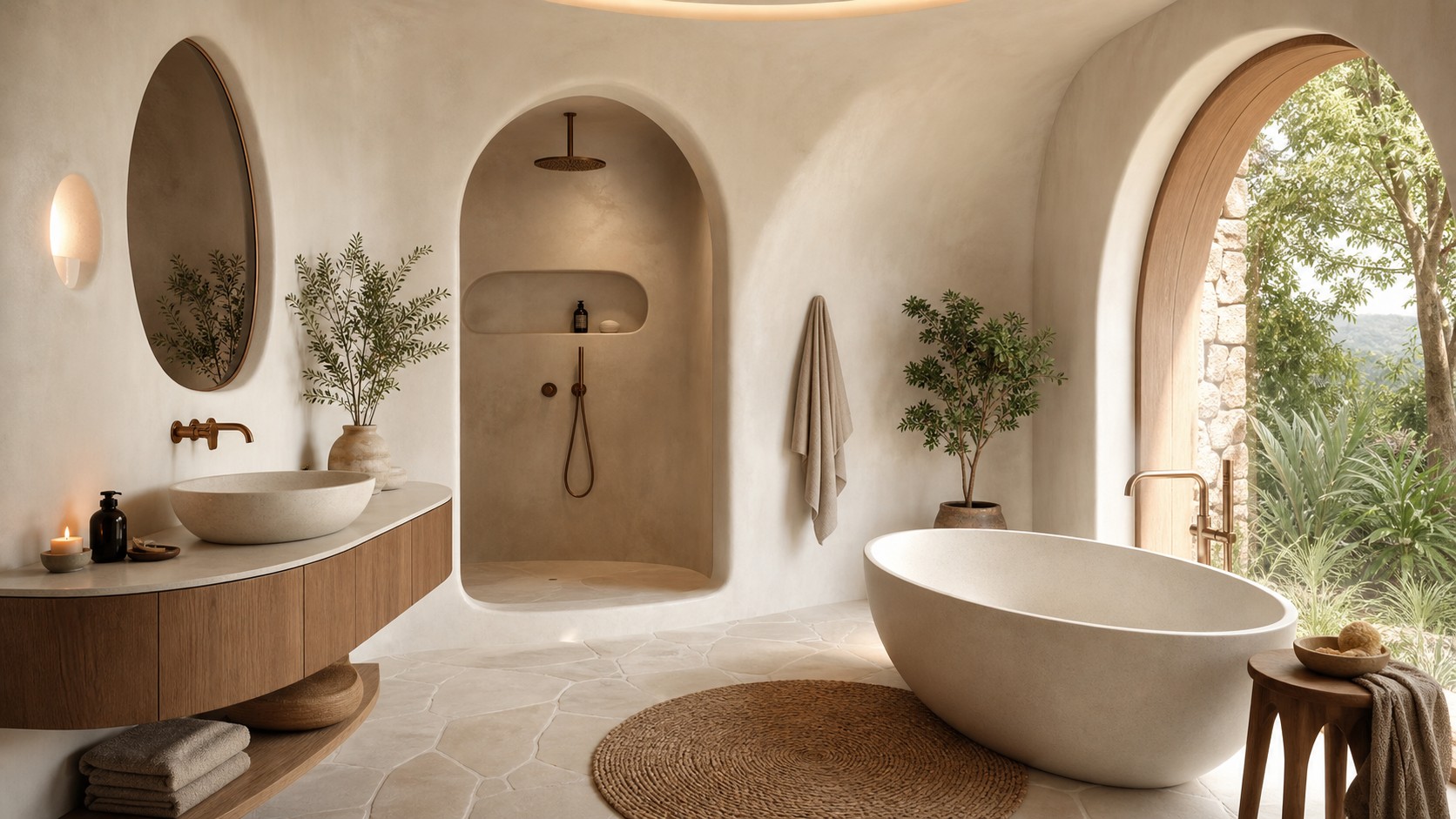
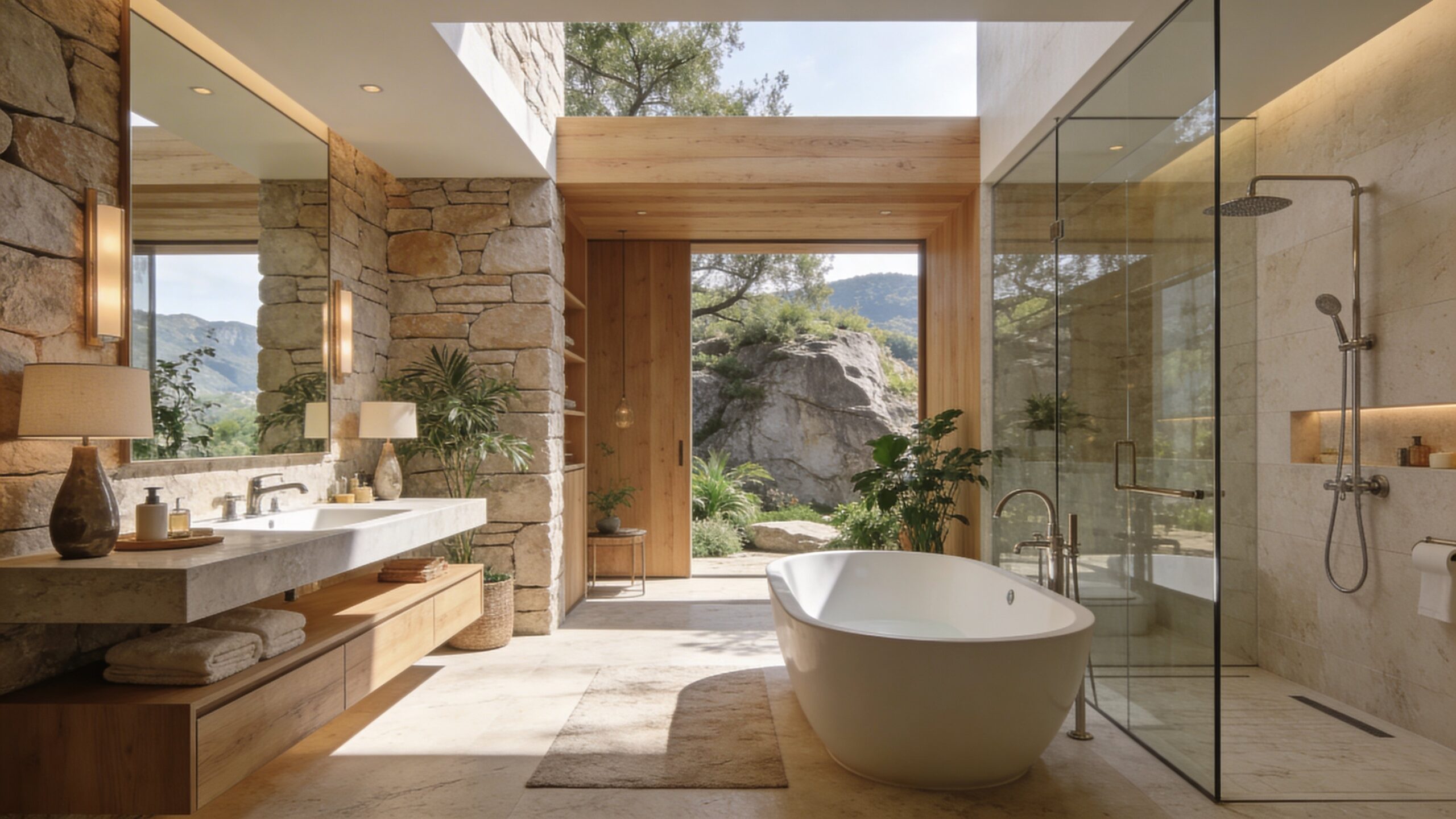
A modern oasis bathroom with indoor-outdoor vibes is not just a room with a large window or a plant in the corner. It is a bathroom planned around the feeling of fresh air, changing daylight, natural texture, and visual release. The best versions make the boundary between inside and outside feel soft while still protecting privacy, warmth, and everyday function. Instead of treating the bathroom as a sealed utility space, this approach lets the room borrow calm from a courtyard, garden wall, balcony, atrium, or framed patch of sky. The appeal is emotional, but the execution is practical: glass needs privacy, fresh air needs ventilation, natural materials need the right finish, and every view needs to be edited so the room still feels restful after years of daily use. This style also asks for restraint. A bathroom can be open to nature without becoming rustic, tropical, or exposed. The refined approach is to let daylight, air, and a few living textures do the work while the fixtures stay quiet. That balance separates a sophisticated oasis from a themed bathroom that looks exciting at first and tiring later. The smartest projects begin by asking what kind of outdoor connection the home can honestly support. A city house may need a walled light court, a suburban home may have room for a planted privacy screen, and an apartment may rely on a high window, skylight, or balcony view. Each version can feel restorative when the design respects climate, maintenance, and daily privacy. The room should never depend on perfect weather or a perfectly staged garden to feel complete.
A: Yes, a single high window, skylight, or framed planting view can create the feeling without needing a large footprint.
A: No, clerestory windows and partial openings often deliver a calmer balance of daylight and privacy.
A: Slip-conscious porcelain, sealed stone, or compatible interior tile with a practical transition usually performs best.
A: Use layered exterior screening and warm low lighting so glass does not become a revealing mirror.
A: Only when drainage, climate, privacy, insects, and local building requirements are handled carefully.
A: Plants help, but the strongest result comes from view, light, material continuity, and uncluttered planning.
A: They can be, so use real wood and stone selectively and rely on durable lookalikes where water exposure is heavy.
A: Improve the window view with exterior planting and replace harsh lighting with softer layered sources.
A: Only if glare and privacy still work; sometimes reflecting the view in a mirror is more comfortable.
A: Busy surfaces, exposed sightlines, poor ventilation, and a threshold that looks like an afterthought.
Start With the View, Not the Fixture List
The strongest indoor-outdoor bathrooms begin with orientation. Before choosing tile, tubs, mirrors, or faucets, study what the room can look toward and what it should avoid. A narrow side yard, planted light well, walled courtyard, clerestory window, or screened terrace can become the visual anchor if it is framed deliberately. When the view is controlled, even a compact bathroom can feel like it belongs to a larger landscape.
Privacy is the part that makes this design livable rather than theatrical. Frosted lower glass, high windows, layered planting, timber screens, exterior walls, and offset sightlines allow daylight and greenery to enter without making the room feel exposed. The goal is not total transparency. The goal is a sense of openness that still lets someone move through the room comfortably in the morning, at night, and during every ordinary moment between.
Once the view is established, fixtures can support it. A freestanding tub may face a garden, a shower bench may sit beside a tall slot window, or a vanity mirror may reflect trees instead of staring directly at a blank wall. These small alignments create the feeling that nature is part of the routine, not a decorative afterthought.
For homeowners planning a remodel, this means the earliest design conversation should include the outside of the bathroom as much as the inside. A fence, hedge, planter, or new exterior light may be just as important as the vanity selection. The room succeeds when architecture, landscape, and routine are planned together.
Use Continuity to Blur the Threshold
Material continuity is the quiet trick behind many seamless bathrooms. When the floor tone inside relates to the exterior paving, the eye reads the spaces as connected even if a glass wall separates them. This does not mean the same product must run everywhere. Interior tile, exterior stone, composite decking, and concrete pavers can share color temperature, scale, or texture so the transition feels intentional.
Walls can work the same way. A plaster-look surface inside may relate to stucco outside, or a stone shower wall may align with a garden boundary wall beyond the glass. The connection should feel calm rather than literal. Too much matching can flatten the design, while a thoughtful family of materials gives the bathroom depth.
Threshold details matter because they are where the illusion usually breaks. Keep tracks clean, drains discreet, and floor transitions low where building conditions allow. If a true flush transition is not practical, make the change look deliberate with a slim sill, a recessed channel, or a shadow line that feels architectural rather than improvised.
Let Daylight Do More Than Brighten the Room
Natural light is most useful when it is shaped. Direct glare can make stone look harsh, mirrors uncomfortable, and bathing rituals less relaxing. Softer daylight from the side, above, or through filtered planting produces a more restorative atmosphere. In an indoor-outdoor bathroom, the light should shift through the day without turning the room into a greenhouse.
Clerestory windows are especially useful for bathrooms that need privacy. They bring in sky brightness while keeping sightlines above eye level. A narrow vertical window beside a shower can create a beautiful wash of light on tile, while a larger opening near a tub can make bathing feel connected to the season outside.
Night lighting should continue the same calm. Instead of letting the glass turn black and reflective after sunset, use low exterior garden lights, warm interior sconces, and concealed strips that softly define edges. The bathroom should feel secure and atmospheric at night, not like a bright box beside a dark yard.
Window treatments can also help regulate the day. A woven shade, privacy film, exterior screen, or motorized blind may be needed depending on climate and exposure. The right solution should disappear into the design when not in use and protect the quieter mood when sun, neighbors, or streetlights become intrusive.
Choose Materials That Handle Moisture and Weather Mood
Indoor-outdoor style depends on materials that look natural without becoming fussy. Porcelain with a stone or concrete character is often a practical foundation because it handles water, cleaning, and temperature shifts well. Real stone can be beautiful, but it needs appropriate sealing, slip consideration, and maintenance expectations that match the household.
Wood brings warmth, yet it should be used intelligently. A floating vanity, ceiling accent, stool, or screened partition can soften the room without placing vulnerable material directly in splash-heavy zones. When wood appears near exterior openings, choose species, finishes, and ventilation strategies that can tolerate humidity.
Texture is more important than pattern here. Honed surfaces, ribbed glass, woven shades, microcement, limewash-style finishes, and tactile stone all contribute to the outdoor feeling. Keep the palette restrained so the garden, sky, or courtyard remains the emotional center.
Plan Ventilation as Part of the Experience
Freshness is a major reason indoor-outdoor bathrooms feel appealing, but relying on an open door is not enough. The room still needs proper mechanical ventilation, especially around showers and enclosed wet areas. A quiet fan, well-positioned operable window, and dry-off zone with good air movement protect finishes and keep the space pleasant after use.
Cross-breezes can be wonderful when climate and privacy allow them. Even small openings on different walls can help the bathroom feel alive. In colder or humid climates, the design may lean more on visual connection than actual open-air bathing, and that is perfectly valid. A bathroom can feel connected to nature without exposing itself to drafts, insects, or maintenance problems.
Think about storage and towels in relation to airflow. Towels should dry fully, bath mats should not sit in stagnant corners, and robes should have a place away from splash zones. A modern oasis feels luxurious partly because it recovers quickly after use.
Climate should guide ambition. In a warm dry region, a larger opening or outdoor shower connection may be realistic. In a cold or damp region, the better choice may be fixed glass, radiant heat, and a framed view that gives the feeling of nature without asking the bathroom to perform like an exterior room.
Keep the Outdoor Element Edited
The exterior view should be composed with the same discipline as the bathroom interior. A single small tree, dense bamboo-like screen, stone wall, sculptural planter, or layered bed of humidity-loving greenery can be more effective than a busy garden scene. The view needs enough texture to feel alive and enough restraint to feel restful.
Avoid making every surface compete for attention. If the courtyard has strong planting, keep interior tile quieter. If the bathroom uses dramatic stone, let the outdoor area be simpler. This exchange keeps the design from becoming visually loud.
A seamless indoor-outdoor bathroom succeeds when the outside is not a gimmick. It becomes part of how the room breathes, glows, and resets the body. The result is a bathroom that feels expansive even when its footprint is modest.
Bring the Idea Into an Existing Bathroom
Not every home can add glass walls or a private bathing courtyard, but the same principles can still work. Replace a small frosted window with a taller privacy window, use a skylight over the shower, add exterior planting where it can be seen from inside, or choose materials that visually echo stone, wood, and plaster. Even a single framed view can change the emotional quality of the room.
For remodels, prioritize changes that improve both atmosphere and performance. Better ventilation, warmer lighting, slip-conscious flooring, and uncluttered sightlines will do more than a decorative outdoor theme. The modern oasis idea is strongest when it makes the bathroom easier to use, easier to maintain, and easier to enjoy every day.
A small existing bathroom can still gain this spirit through sequence. Clear the entry view, choose one natural material family, replace harsh ceiling light, and make the window or mirror relationship more intentional. Those moves may be quieter than adding folding glass doors, but they often deliver the same daily exhale.
The final layer is discipline after the remodel is complete. Keep the window ledge uncluttered, choose towels that support the palette, and avoid filling every open surface with accessories. Indoor-outdoor design works best when the room has space to breathe, and that means everyday objects need homes that do not compete with the view.
Decide What Kind of Openness Fits Your Home
The right indoor-outdoor gesture should match the home rather than imitate a resort photo. Some bathrooms need a true door to a garden, while others only need a carefully framed slice of sky. A remodel feels more successful when the level of openness suits the neighborhood, the climate, and the household’s comfort with privacy.
Budget should follow the parts that change daily experience. Better glass, better ventilation, a warmer floor, or a more beautiful planted view may matter more than a dramatic tub. If the bathroom already has a good footprint, the smartest investment may be outside the wall rather than inside the vanity.
Think of the finished room as a conversation between shelter and nature. The bathroom should feel protected enough for real life and open enough to quiet the mind. When both needs are respected, the modern oasis mood feels natural instead of staged.
That balance is also what keeps the design timeless. Views can change, plants can mature, and finishes can age, but a room planned around comfort, privacy, daylight, and air will continue to make sense long after a trend has passed.
If you are comparing design options, choose the one that makes the bathroom feel calm on an ordinary weekday. The most successful indoor-outdoor rooms are not dependent on spectacle; they create a reliable sense of release every time the door opens.